


-

Add: HeBei ShengShi HongBang Cellulose Technology CO.,LTD.
-

Email
13180486930@163.com -

CONTACT US
+86 13180486930





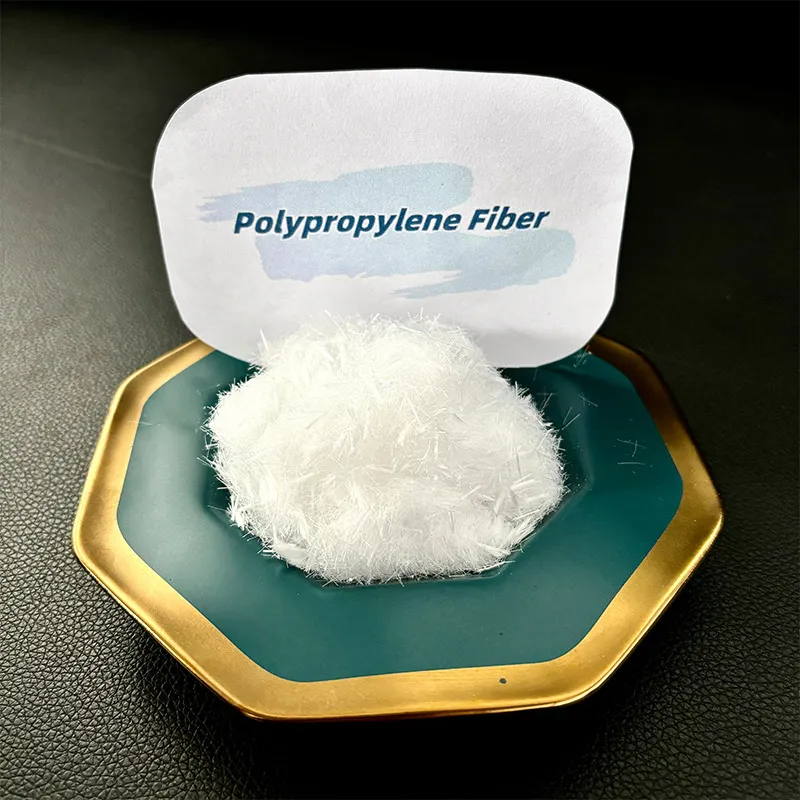
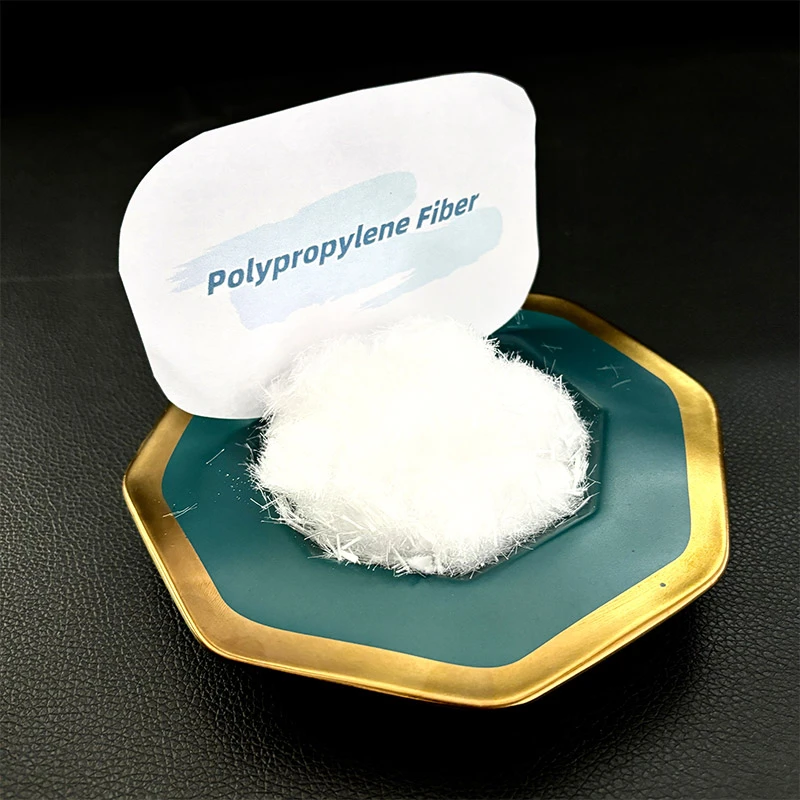
Polypropylene fiber ( PP fiber ) has transformed the synthetic fiber market with its remarkable technical properties, cost-performance ratio, and exceptional durability in multiple industries. Discover in-depth analysis, technical data, production detail, and real-world application cases in this complete guide. Polypropylene Fiber: Industry Overview & Market Trends Polypropylene fiber is a synthetic fiber made from polypropylene polymers, renowned for its low density, high strength-to-weight ratio, exceptional chemical resistance, and versatile use in construction, geotextiles, filtration, and automotive sectors. The global polypropylene fibre market reached $11.8 billion in 2023 (source: Grand View Research), with an expected CAGR of 7.4% from 2024 to 2030, driven largely by rising demand in pp fiber concrete for infrastructural projects and high-performance composites. Increasing attention to energy-efficiency, corrosion resistance, and lifecycle performance in civil works, petrochemical, and water infrastructure boosts polypropylene fiber usage. Leading organizations, like ASTM, ISO, and FDA, continually update standards ensuring the safety, performance, and sustainability of polypropylene fibre products. Technical leader: Microfiber synthetic PP fiber, enabling ultra-fine reinforcement in concrete and mortar. Certifications: Most products adhere to ISO 9001 (Quality), ISO 14001 (Environmental), and ASTM C1116 (Concrete admixtures). Key markets: Construction, geosynthetics, automotive, filtration, fire protection. Global players: Sika, Adfil, Fiber Mesh, BHP New Material ( product link ). Technical Parameters & Specifications Table Here’s a consolidated table comparing core properties of mainstream polypropylene fiber products, including PP fiber concrete grade and microfiber synthetic types. Parameter Polypropylene Fiber (General) PP Fiber Concrete Grade Microfiber Synthetic Polyester Fiber (for comparison) Raw Material 100% Polypropylene 100% Polypropylene (Special Grade) 100% Polypropylene (Micro Denier) 100% PET Diameter (μm) 18–25 ≥20 6–18 15–25 Length (mm) 6–54 12, 19, 38 3–18 6–54 Tensile Strength (MPa) 400–570 ≥500 430–650 400–600 Elongation at Break (%) 15–25 18–24 10–22 18–25 Melting Point (°C) 160–170 160–165 160–170 254 Density (g/cm³) 0.91 0.91 0.91 1.38 Chemical Resistance Excellent Excellent Excellent Fair Water Absorption (%) <0.01 <0.01 <0.01 0.4 UV Stability Good Good Excellent Good Standard Compliance ISO, ASTM, ANSI ISO, ASTM C1116 ISO, EN ISO, ASTM Technical Data Visualizations Manufacturing Process: Polypropylene Fiber The manufacturing of polypropylene fiber involves advanced steps and strict process controls, ensuring consistency, purity, and top-tier mechanical properties. Below is a stepwise process visualization and concise explanation. Polymerization of Propylene Refined propylene gas is catalyzed into PP resin (iso tactic for high performance), per ISO 22007 standards. → Extrusion & Spinning Melted PP resin extruded through spinnerets to form multi-filament strands . → Drawing & Orientation Fiber is stretched for increased tensile strength, targeting optimal crystallinity per ASTM D2256. → Cutting/Forming Fibers are cut to spec length (6–54mm) and optionally crimped for better dispersion in concrete. → Finishing & Quality Test Surface coated or uncoated as needed. Strict tests: tensile, elongation, alkali resistance (in-house & third-party labs ). Compliance: ISO 9001:2015 . → Packaging and Shipping Automated weighing & packing. Supply to construction, infrastructure, water treatment, metallurgy, & more. Highlight: ISO/ASTM certified polypropylene fiber demonstrates >95% batch uniformity , lifespan exceeding 50 years in non-UV-exposed concrete, and is 100% recyclable. Key Advantages of Polypropylene Fiber Excellent Strength-to-Weight Ratio: PP fiber is among the strongest fibers by mass; perfect for lightweight, high-toughness composites. Superior Chemical Stability: Non-reactive in concrete, aggressive soil, wastewater, sea water, and most acid/alkali exposures. Low Water Absorption: Near-zero uptake ensures dimensional stability; ideal for humid/coastal construction. Exceptional Durability: Passes ASTM C1116/C1399 for crack control and toughening in concrete applications. Thermal Stability: Melting point up to 170°C; outperforms many cellulosic and even some synthetic alternatives under heat shock. Non-Toxic & Safe: FDA/ISO certified for use in potable water systems, hygiene applications, and food packaging (with test reports). Microfiber Synthetic Advantage: Ultrafine filament achieves 3D mesh in concrete/mortar, dramatically reducing plastic shrinkage cracks. Application Scenarios of Polypropylene Fiber The versatility of polypropylene fiber ensures solutions across multiple sectors. Here are the most common and demanding application scenes: PP Fiber Concrete: Embedded in precast, ready-mixed, and sprayed concrete; crack control, freeze–thaw durability, blast/spalling resistance (conforms to ASTM C1609). Geotextiles & Geosynthetics: Soil stabilization, roadbeds, erosion control, landfill covers—proven lifetime >30 years, compliant with ISO 10319. Industrial Filtration: PP microfibers for high-efficiency filters in water treatment, chemical, or food processing—meets FDA/ISO 16890. Automotive & Composites: Car interior fabrics, trunk liners, composite reinforcement (weight savings: 23–40%). Civil Infrastructure: Water supply/sewage, chemical plant lining, anti-microbial barriers (due to zero-nutrient surface chemistry). Fire Protection: Microfiber PP fiber used in tunnel/metro concrete for explosive spalling resistance (endorsed by NFPA & ITA-AITES). Case Study: BHP Polypropylene Fiber in Metro Tunnel Engineering In 2023, Shanghai Metro Line 15 adopted high-toughness polypropylene fiber supplied by BHP New Material to enhance fireproof concrete segment linings. Key metrics post-curing were: Dosage: 1.8kg/m³ (fibers chopped 18mm, 19μm diameter, 570MPa strength). Test Results (SGS Lab): Plastic shrinkage reduction: 67%. Residual flexural strength after fire: +38% vs. control. No explosive spalling after 2h @1200°C. Concrete Durability: Projected service life: 50+ years, backed by ISO 9001/14001 documentation. Customer Feedback: "Seamless integration, zero fiber balling, and passed all local & international acceptance checks." – Shanghai Construction Group (Feb 2024) Polypropylene Fiber Product Solutions & Customization Standard Range: Virgin PP fiber (6–54mm), micro/mono/macro types, bundled or loose forms, suitable for concrete or nonwoven. Tailored Solutions: Custom diameter (6–25μm), length (3–54mm), multi-filament composite, hydrophobic/hydrophilic surface treatment. Reinforced Grades: Enhanced modulus – up to 17GPa for geosynthetics or bridge decks. Colored & Anti-UV Fiber: For visible construction joints or outdoor geo-applications with minimum UV degradation. Logistics & Support: Rapid global sample, third-party test certificate (SGS, TUV, BV available on request), technical on-site support. Order Cycle: Standard delivery: 7–12 working days (FCL/LCL), expedited options available for urgent projects. Warranty & Service: Quality compliance and material consistency guaranteed for 10+ years; full technical support; rapid claim response within 24h. Manufacturers & Global Supplier Comparison Manufacturer Main Product Certifications Noted Strength Customization Service Regions BHP New Material [link] PP micro/macro fiber, Pre-mixed PP reinforced concrete ISO 9001, ISO 14001, ASTM C1116, SGS 570MPa, anti-corrosive, high batch uniformity Yes: diameter, length, color, hydrophobic/UV options Global (50+ countries) Sika SikaFiber, Macro/Mono PP Fiber ISO, EN, ASTM C1399 Up to 560MPa Length, Type Global Adfil Construction Fibers Crackstop Micro, Macro Synth ISO, EN, CE 520MPa (macro), low-odor Diameter, length EU/Asia Fiber Mesh 100% PP Microfibers ASTM, ISO 500+ MPa, easy dispersion Length, bundle size USA, Global Professional FAQ: Polypropylene Fiber Q1: What material is polypropylene fiber made from? A1: 100% virgin polypropylene (C3H6)n; typically isotactic, which ensures high mechanical and chemical stability. Q2: What are standard specifications for pp fiber in concrete? A2: Fiber diameter: 20–25μm, length: 12, 18, or 38mm, modulus: 3.5–7 GPa, recommended dosage: 0.9–2.7kg/m³, per ASTM C1116. Q3: Which international standards apply to polypropylene fibre products? A3: Main standards: ISO 9001/14001 (quality/env), ASTM C1116/C1399 (concrete), EN 14889–2:2006 (fibers for concrete), FDA (food contact/hygiene). Q4: What is microfiber synthetic PP fiber and its application? A4: Ultra-fine PP fiber (diameter 6–12μm), provides 3D crack-control mesh in concrete/mortar, especially for tunnels, floors, and fire-resistant linings. Q5: How is installation performed for pp fiber concrete ? A5: Fibers are dry-blended into cement or aggregate prior to water addition; homogenous dispersion is critical for maximum crack resistance. Compatible with normal mixing and pumping equipment. Q6: What quality tests are required for each batch? A6: Tensile/elongation (ASTM D2256), alkali/acid resistance, batch uniformity, UV resistance (if required), and concrete mix tests per ASTM C1116. Q7: What is the typical shelf life and storage condition for polypropylene fiber ? A7: Over 5 years in dry, UV-protected storage; 100% recyclability, retains >95% properties post 1 year if stored below 50°C and <80% RH. Conclusion: Advanced PP Fiber, Trusted by Industry Polypropylene fiber is a material of choice for high-stress, high-durability, and safety-critical applications in today’s engineering world. Its technical superiority—shown in comparative charts and independent lab test data—ensures that engineers, builders, and manufacturers can rely on its performance for years to come. BHP New Material, holding ISO , ASTM , and FDA compliance, delivers not just standard products but collaborative R&D for custom solutions in every major market. "As fiber-modified concretes rise in infrastructure, PP fiber consistently delivers optimal economic and mechanical performance. Field trials corroborate its dominance over steel and glass alternatives in marine, tunnel, and geotextile applications." — Source: Eng-Tips Civil Engineering Forum: Polypropylene Fibers in Concrete ; Journal of Advanced Concrete Technology Vol. 22 (2023), "Synthetic Fiber Reinforced Concrete—A Review" . Visit BHP Polypropylene Fiber official page for full documentation & support >>
- 40000tons

Production
- 20+years

Experience
- 5000+㎡

Acreage

-
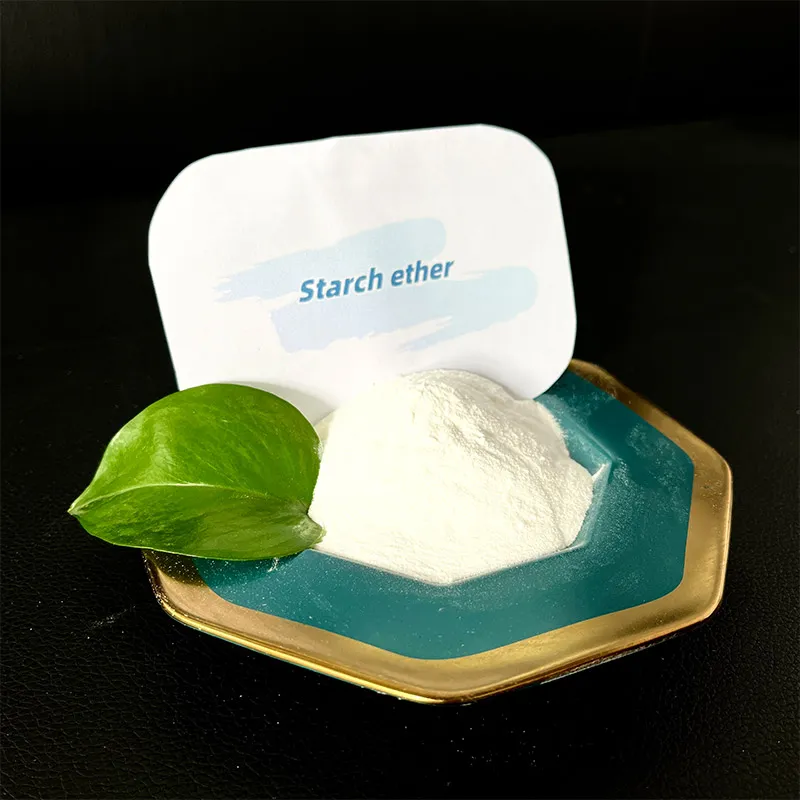
Modified starch is a versatile ingredient used across a wide range of industries, from food production to pharmaceuticals and construction. Among the different modified starch types , each serves a unique purpose, depending on the specific needs of the application. Modified starch is produced by altering the structure of natural starch to improve its properties, such as solubility, texture, and resistance to temperature changes. This adaptability makes it a key component in industries where high-performance materials are required. Understanding the various modified starch types is crucial for selecting the right product for each application. For example, some types of modified starches are designed to enhance the texture and mouthfeel of processed foods, while others are used as thickening agents or binders in adhesives, paints, and coatings. In this article, we will explore the different modified starch types , their uses, and how starch ether and its related products, like starch ether China , are driving innovation across industries. The Role of Starch Ether in Modern Manufacturing One of the key innovations in the world of modified starch is starch ether , a derivative of starch that has been chemically altered to provide enhanced functionality. Starch ether is typically used to modify the water retention, adhesion, and texture of starch-based products, making it invaluable in industries such as construction, textiles, and personal care. The versatility of starch ether makes it suitable for a broad range of applications, from improving the consistency of building materials to enhancing the properties of cosmetics and pharmaceuticals. The addition of starch ether to various products imparts superior binding capabilities, better viscosity control, and improved stability. For instance, in the production of starch ether China , which is a widely sourced product for global manufacturers, the ether modification allows for superior performance in products such as adhesives, paints, and coatings. Its ability to control the flow and viscosity of liquids is crucial in applications where consistency is important, such as in the formulation of emulsions and gels. Understanding Starch Ether Uses Across Industries Starch ether uses extend far beyond the food industry, where starch is most commonly associated. In fact, starch ether is increasingly being adopted in numerous industrial applications due to its ability to enhance the performance of products in areas like construction, pharmaceuticals, and personal care. Some of the most common starch ether uses include serving as a thickening agent, stabilizer, binder, and dispersing agent. In the construction industry, for example, starch ether is often included in the formulation of cement and gypsum-based products, such as tile adhesives and plasters. It improves the workability and water retention of these materials, ensuring they stay moist for longer periods during application, which is crucial for proper curing. In pharmaceuticals, starch ether uses as a binder in tablet formulations improve the compressibility and disintegration properties, enhancing the effectiveness and ease of use of the medications. The personal care sector also benefits from starch ether uses , especially in products like lotions, creams, and shampoos. It helps stabilize emulsions, improve texture, and enhance the product's spreadability, making it easier for consumers to apply and absorb. With its wide range of applications, starch ether proves to be a vital component in modern manufacturing processes across industries. Starch Ether China: Leading the Way in Global Production China plays a pivotal role in the global production and supply of starch ether , offering a wide range of products to meet the needs of international markets. Starch ether China has become synonymous with high-quality, cost-effective solutions for manufacturers around the world. The country's advanced manufacturing facilities, combined with its large-scale agricultural production of starch, make it a leading producer of modified starch and starch ether products. The demand for starch ether China continues to grow as industries increasingly turn to modified starch for its numerous benefits. One of the advantages of sourcing starch ether China is the ability to access competitively priced products without sacrificing quality. Chinese manufacturers are constantly innovating and improving their processes, ensuring that starch ether China remains at the forefront of the global market. Whether for use in food production, construction materials, or cosmetics, Chinese suppliers are able to meet the diverse needs of customers around the world. Factors Affecting Starch Ether Price and How to Get the Best Value When it comes to purchasing starch ether , one of the key factors that businesses need to consider is the starch ether price . The cost of starch ether can vary depending on several factors, such as raw material availability, manufacturing processes, and global supply chains. Understanding these factors is essential for businesses looking to optimize their procurement strategy and ensure they get the best value for their investment. Starch ether price is typically influenced by the cost of the underlying starch, as well as the complexity of the modification process required to produce the ether. Additionally, fluctuations in the global demand for modified starches can impact the price, as industries in food production, construction, and personal care all seek to incorporate starch ether into their formulations. Supply chain dynamics, including transportation costs and regional production capabilities, also play a role in determining the final price. To get the best value, businesses should work closely with suppliers to understand the market trends and identify opportunities for bulk purchasing or long-term contracts. When sourcing from countries like China, which offer starch ether China at competitive prices, companies can benefit from lower costs without compromising on quality. Additionally, it is important to consider the overall performance benefits that starch ether provides, as these can offset initial price differences by enhancing the quality and functionality of the final product. M odified starch types , starch ether , and their various applications play a crucial role in a wide array of industries. From improving the workability of construction materials to enhancing the texture of personal care products, starch ether is a vital component in modern manufacturing processes. With starch ether China emerging as a leading supplier on the global market, businesses now have access to high-quality products at competitive prices. By understanding the various starch ether uses and factors that influence starch ether price , companies can make informed decisions to maximize the benefits of these versatile and sustainable materials.
-
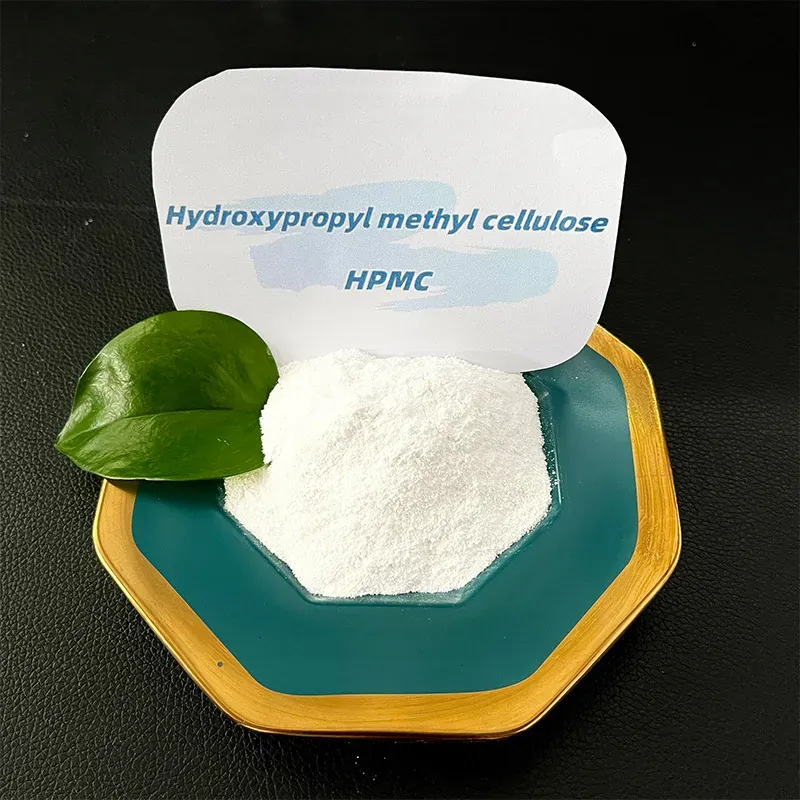
Hydroxypropyl methylcellulose (HPMC) , often celebrated for its multifunctional prowess, is a cellulose-based polymer valued across diverse industries due to its unique combination of properties. Traditionally rooted in the pharmaceutical and construction sectors, HPMC has transcended its conventional roles and is now pivotal in cosmetics, food technology, and even sustainable packaging solutions. In pharmaceuticals, HPMC's renown stems from its role as an excipient. Its ability to control the release rate of active ingredients elevates it to an indispensable component in controlled-release formulations. Moreover, it serves as a disintegrant in tablet formulations, ensuring rapid dissolution and absorption in the digestive tract. For patients, this translates to enhanced therapeutic outcomes and improved medication adherence. Transitioning to the construction industry, HPMC excels as a vital additive in dry mortar products. It enhances water retention and workability of cement-based materials, a boon for masons aiming for superior finish and bond strength. Its ability to efficiently hold water mitigates premature drying, leading to fewer cracks and defects in cured mortars. This, in turn, reduces the need for rework, saving costs and ensuring the longevity of construction projects. In the realm of cosmetics, HPMC's contribution as a thickening and emulsifying agent enables the development of myriad beauty and personal care products. Its non-toxic nature and skin-friendly properties make it ideal for shampoos, creams, and lotions. Consumers often laud these products for their smooth application and enhanced aesthetic appeal, attributed largely to HPMC's uniform consistency and stability. hydroxypropyl methylcellulose uses The food industry further benefits from HPMC's versatility. It functions as a vegetable-derived emulsifier and stabilizer, ideal for vegan and vegetarian products. In gluten-free baking, HPMC's role in mimicking gluten properties ensures that baked goods maintain moisture, structure, and palatability. This not only broadens options for those with dietary restrictions but also enhances the culinary experience for all consumers. HPMC’s role in sustainable packaging presents a fascinating development. As industries pivot towards eco-friendly solutions, HPMC is being explored for biodegradable film coatings, which can replace traditional petroleum-based plastics. This aligns with global ecological goals, addressing environmental concerns while maintaining functional integrity. Analysts and experts underscore the significant impact of HPMC's low allergenic potential and biocompatibility across applications, ensuring consumer trust and product safety. Its authoritative presence in multiple regulatory approvals further solidifies its reliability, instilling confidence among manufacturers and end-users alike. Looking forward, HPMC's scope continues to expand, supported by ongoing research and innovation, challenging manufacturers to harness its full potential. For businesses leveraging HPMC in product formulations, the key lies in understanding its multifaceted applications, integrating them thoughtfully to cater to evolving consumer demands. By doing so, companies not only capitalize on the robust capabilities of HPMC but also position themselves as leaders in sustainable and consumer-friendly solutions. Through strategic partnerships and continuous exploration, the future of HPMC promises even more groundbreaking contributions across various sectors.
advantages
-

200000 Viscosities
Excellent product
We can produce pure products up to 200,000 viscosities
-

40000 tons
High yield
We don’t stop production all year round, and the annual output can reach 40,000 tons
-

24 hours
Quality service
We provide 24-hours online reception service, welcome to consult at any time
———— Inquiry Form
Schedule A services
-
 precio_de_fibra_pp
Oct . 25, 2025
In today’s industrial landscape, sustainable material solutions drive innovation. Micronized rubber -
 fibreglass_fibres_for_concrete
Oct . 25, 2025
Polypropylene Fibers for Sale An Overview In the world of textiles and materials, polypropylene fibe -
 ether_d_amidon_pour_la_construction
Oct . 25, 2025
Tylose HPMC, commonly known as Hydroxypropyl Methylcellulose, is a multifunctional ingredient that c


